“What kind of sand should I buy?”
I get asked this question all the time, so I decided to create one simple post we can all refer back to when building or refreshing our sandtray setups.
This guide covers the most commonly used sands for sandtray therapy—what’s worth the investment, what’s budget-friendly, and what to consider depending on how and where you practice.
We’ll move from highest quality / most expensive to most economical, and I’ll share both facts and my honest opinions along the way.
Let’s get started.
Jurassic Sand (Premium Option)
If there were a gold standard of sandtray sands, this would be it.
Jurassic Sand is antimicrobial and a recipient of the No Allergy, No Asthma certification. It’s created by a geologist who specializes in therapeutic sands, and his passion for the work really shows.
Shipping is quick (usually 4–5 days), and while the packaging isn’t fancy, the quality of the sand more than makes up for it.
Originally known for its signature red sand, Jurassic has expanded its offerings. While it’s more expensive than hardware-store sand, it’s well worth the investment if you plan to use sandtray regularly.
Stardust Sand is made from recycled glass and sparkles beautifully. Kids often ask if it’s made from jewels. It’s one of the pricier options and holds shape very easily, which can make some miniatures harder to stand.
River Bed Sand has more of a fine-rock texture. Many children immediately gravitate toward it and often exclaim “Whoa!” when they touch it.
Original Sand is the sand that started it all, featuring a fine texture and burnt reddish color.
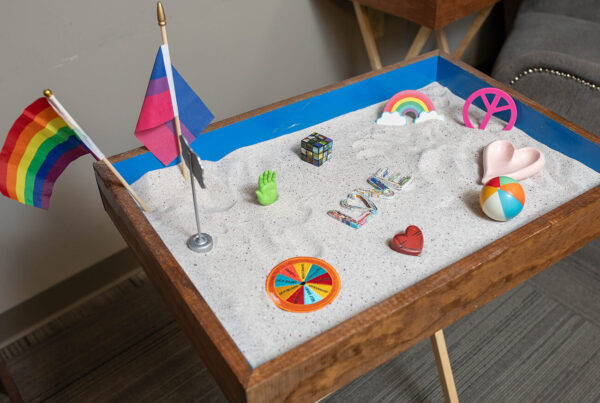
Mojave Beige Sand is a neutral option that works well for both adults and children. Clients often appreciate its blank-slate quality.
Knot Sand is not actually sand. It’s a lightweight, corncob-based alternative that works beautifully for travel trays and mobile therapists.
Sandtastik Sand (High-Quality and Accessible)
Sandtastik has been my go-to sand since I first started doing sandtray work.
My favorite is the white sand. It sparkles slightly and feels like fine beach sand from the Gulf of Florida. Clients of all ages enjoy it, and many anxious children will repeatedly run their hands through it for regulation.
One of the biggest perks is availability. You can order it on Amazon with Prime shipping, which saves time and shipping costs.
Sandtastik is 100% natural and environmentally friendly. Some therapists report mild dust when children pour it aggressively, though I haven’t personally experienced issues.
A 25-lb box costs around $32 and can fill two to three trays, making it a long-lasting option.
Kinetic Sand (Best for Kids)
Kinetic sand is widely available anywhere toys are sold, though it often sells out.
It contains polymers that give it a wet-sand feel without sticking to hands. Kids absolutely love it. Adults, in my experience, usually do not.
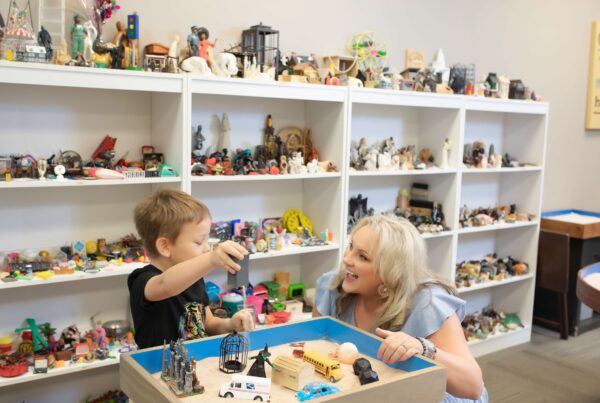
I recommend kinetic sand if you work with children at all. It’s highly engaging and great for sensory regulation.
To fill a tray, I used four smaller boxes at about $22 each, totaling roughly $90. That said, one or two boxes is typically enough for clinical use.
Hardware Store or Toy Store Sand (Most Budget-Friendly)
This is the sand I use in my large four-foot round tray for purely economic reasons. Filling a tray that size takes a lot of sand.
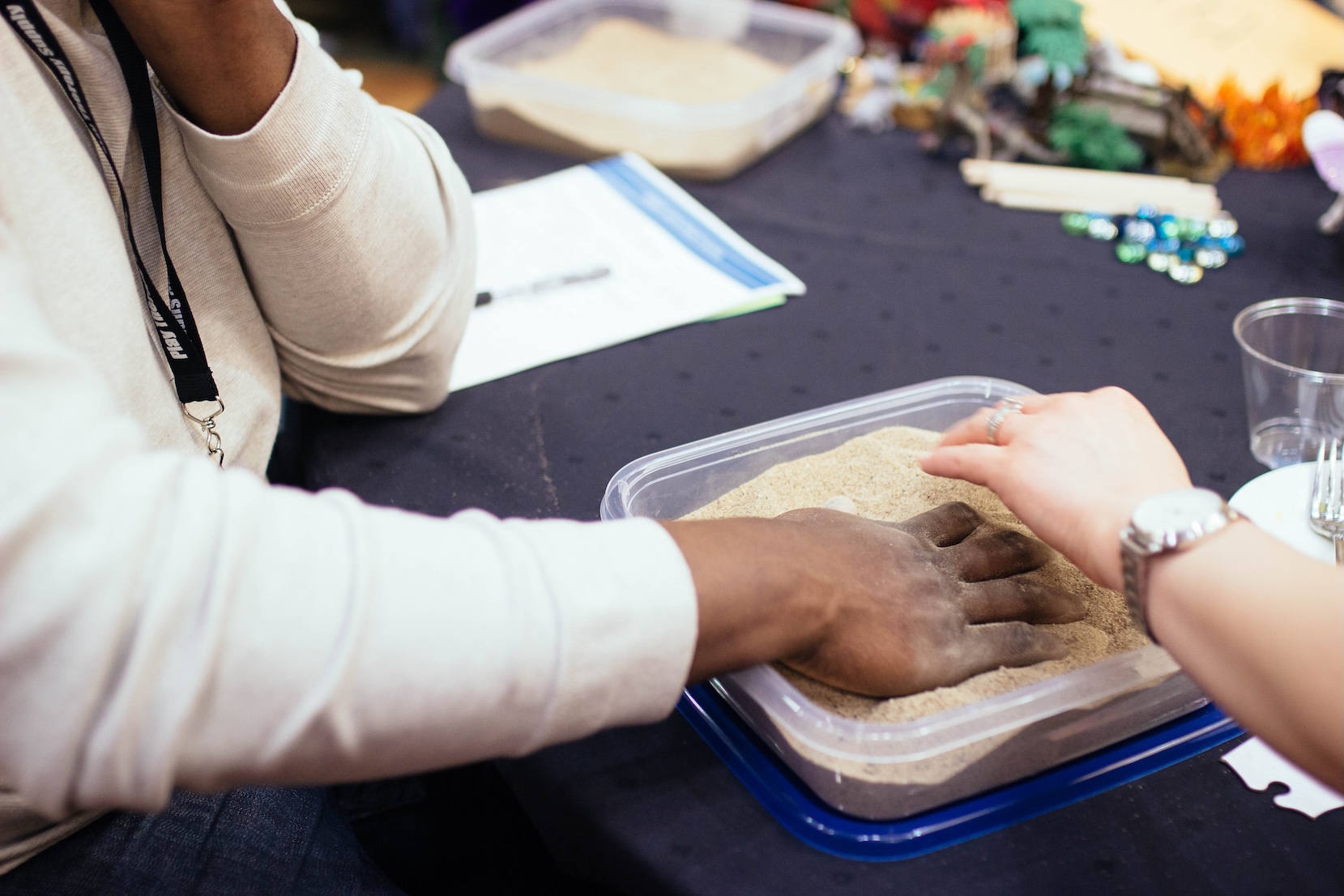
Plain play sand from a hardware store works just fine. Kids find it familiar and love digging and building with it.
If you use this sand in a wet tray, be sure to let it dry completely between uses or it will mold.
A 50-lb bag costs about $5 and can fill multiple trays. I recommend changing it every few months to reduce germs, especially if many little hands are using it.
Hopefully this overview gives you clarity and confidence when choosing sand for your sandtrays.
What sands do you love using? Have you noticed pros or cons I didn’t mention? Share your experiences—I’d love to hear them.