You know the look.
The one that makes your stomach drop.
The one that silently says, “You want me to do what?”
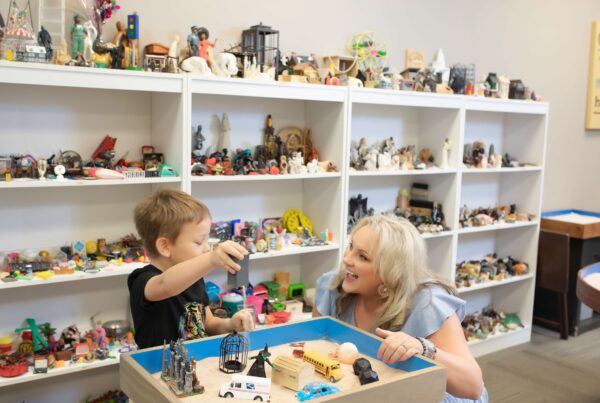
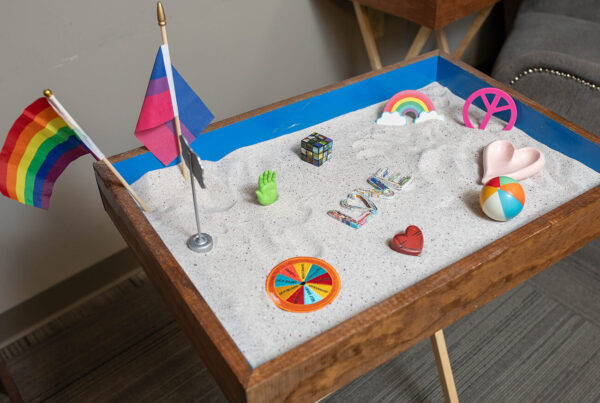
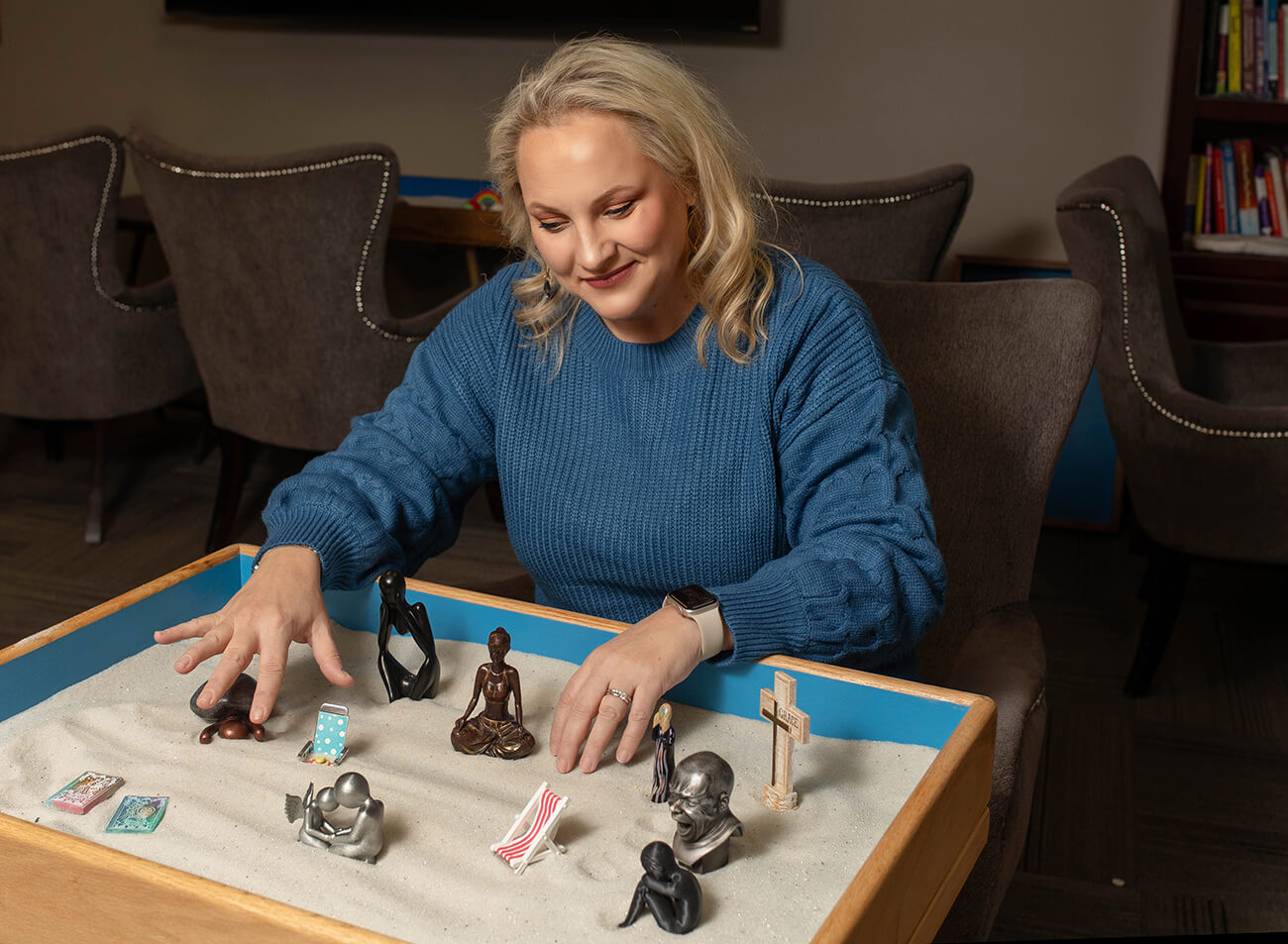
If you use experiential methods—especially sandtray therapy—you’ve probably seen it more than once. This reaction shows up most often with adolescents and adults, even when you’ve explained the why behind the work.
They’re still staring at you like you just asked them to speak a foreign language.
I was asked this exact question recently during a consultation call with my RIST cohort, and I realized it’s something many therapists quietly worry about.
Question:
What do I do when my client looks at me like I’m crazy when I ask them to do a non-directive tray?
Answer:
First—take a breath. This happens to everyone, even seasoned sandtray therapists. It’s not a sign that you explained it wrong or that you failed clinically.
Most of the time, this reaction has very little to do with you.
When a client struggles to create their “world” in the tray, it’s often a sign of strong left-brain, concrete thinking, emotional underdevelopment, or simply feeling overwhelmed by the openness of the task. They may genuinely have no idea where to start.
Here are three ways to respond when you get that deer-in-the-headlights look.
1. Name the feeling
Research shows that when we name emotions, the nervous system begins to calm. Daniel Siegel refers to this as “Name it to tame it.”
You might say something like:
“It looks like you’re having a hard time knowing where to start. That’s really normal for some people. This isn’t a race or a test—just choose what feels like it belongs in your world. There’s no wrong way to do this.”
Simply naming the experience often helps the client relax enough to move forward.
2. Offer a gentle directive
A directive gives the client a starting point. It doesn’t take away the therapeutic depth—it reduces anxiety.
For clients who feel overwhelmed, I choose something simple and emotionally safe. For example:
- With an adult, I might say, “Make a tray about your work life” or “your church life.”
- With an adolescent, I might suggest “your school world” or “what life feels like right now.”
Directives help clients feel contained rather than lost. And remember—the brain doesn’t miss a chance to integrate. Even when you start with something “surface-level,” the deeper material always finds its way into the tray.
3. Reduce the size of the task
Sometimes the tray itself feels too big.
One option is to draw a line in the sand around a small corner and invite the client to build their world only in that space. Another option is to place a tissue or object on the tray and say, “You only need to work inside this area.”
You’ll often see the client’s body visibly relax once the task feels manageable. Smaller space equals less pressure.
Don’t worry about missing the “real issue.” It will come. Your role is to listen, validate, and trust the process.
Final Thoughts
When a client looks at you like you’re crazy, it’s not a failure—it’s information.
Slow down. Normalize the experience. Offer support instead of reassurance. And remember that sandtray work isn’t about doing it perfectly—it’s about creating safety and allowing the brain to do what it naturally knows how to do.
Does this ever happen to you?
What strategies have helped when you get that look?
You’re definitely not alone.